Chezy Quick And Reliable HDPE Pressure Test For HDPE Plumbing Installation
The testing of HDPE plumbing system has presently been difficult, and results have been inconsistent because of pipe expansion and variation of the temperature at the time of testing.
The Chezy Pressure Test is a short test (max 30 minutes) which will show you that the system is leak proof. Fast and reliable test for leakages.
Chezy Pressure Test Method
Make sure all the pipe joints are installed.
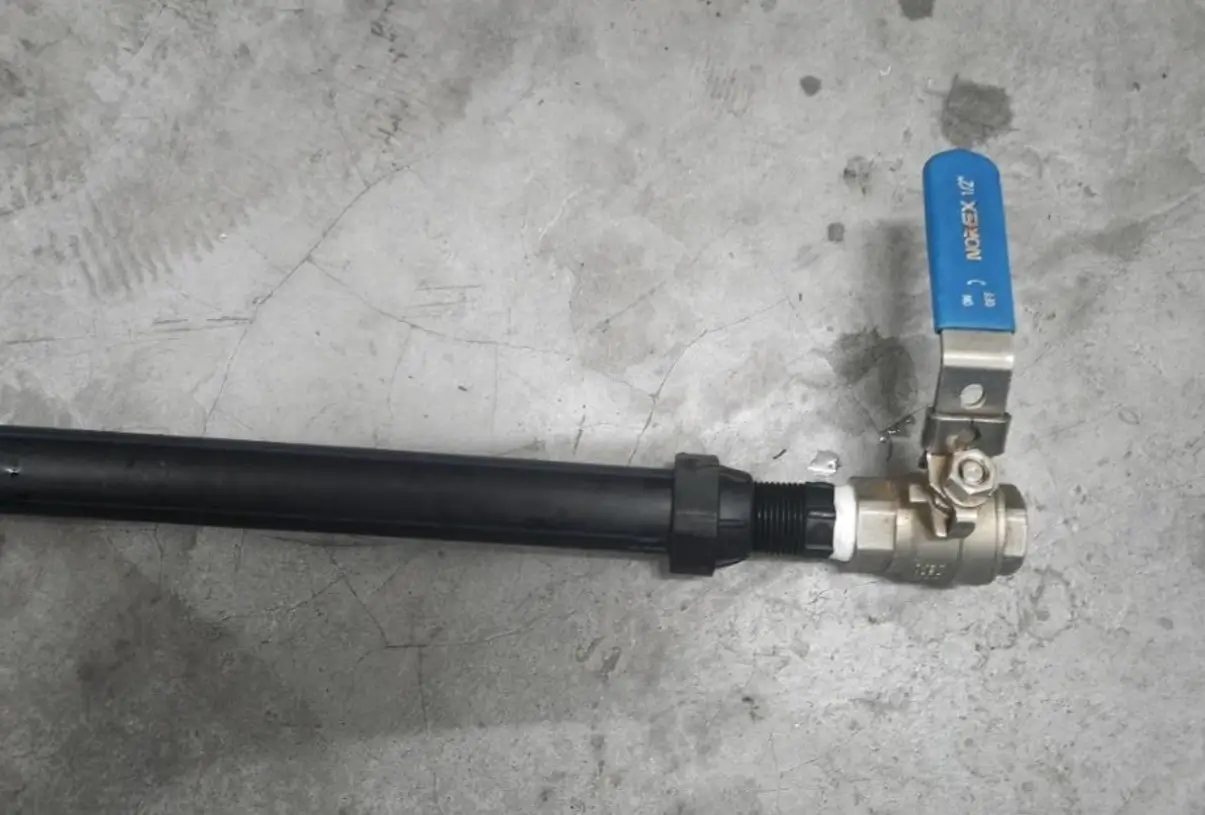
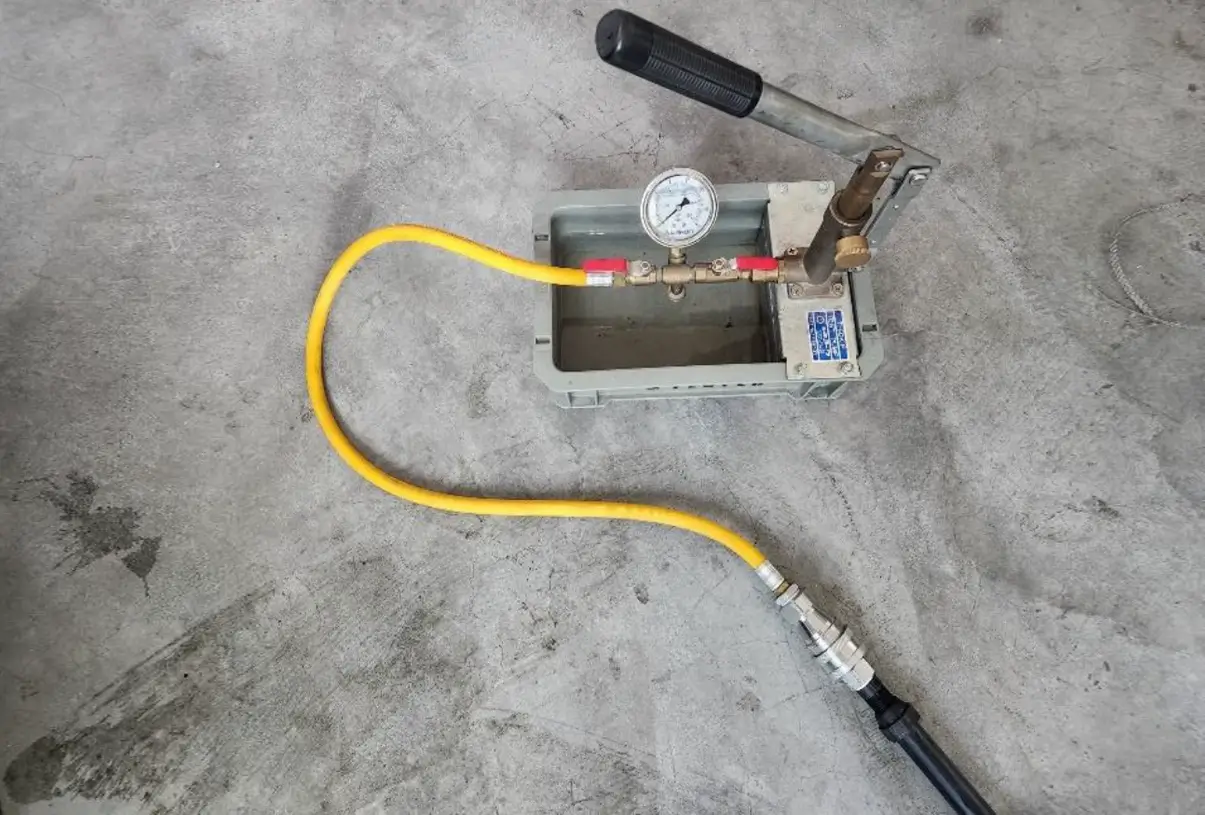
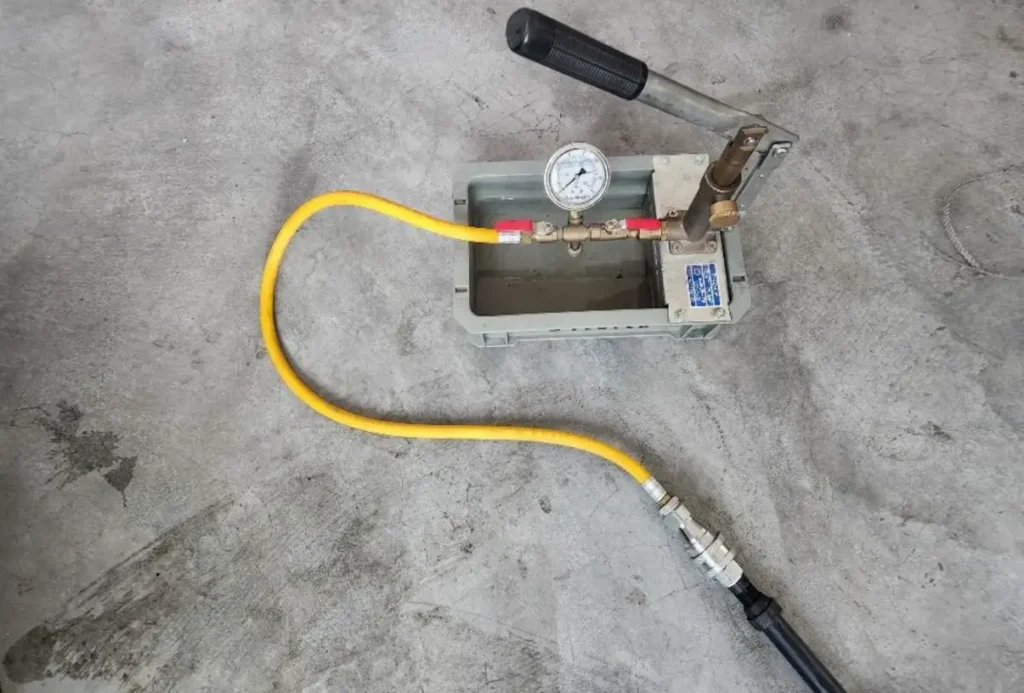
Connect one end of the pipe assembly to a ball valve (highest point preferred) and the other end to a hydraulic pressure hand test pump.
Figure 1: One end to ball valve
Figure 2: Other end to Hand Pump
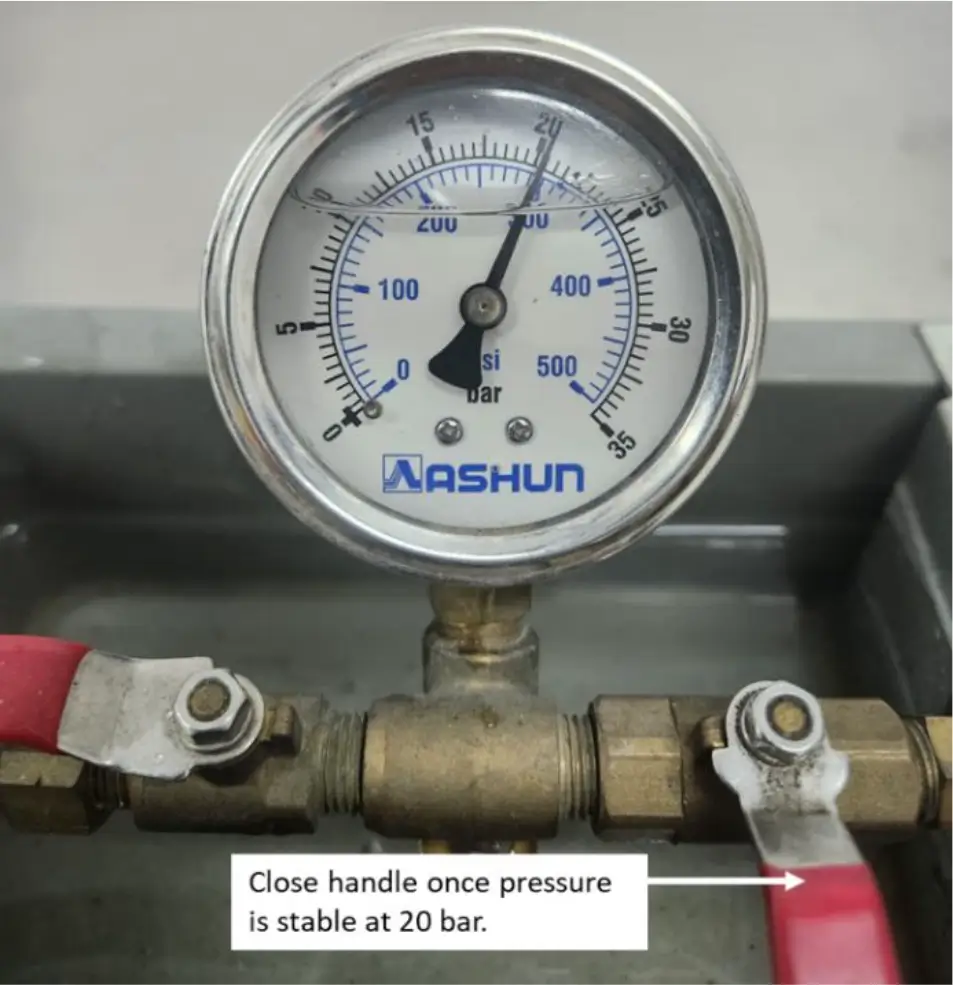
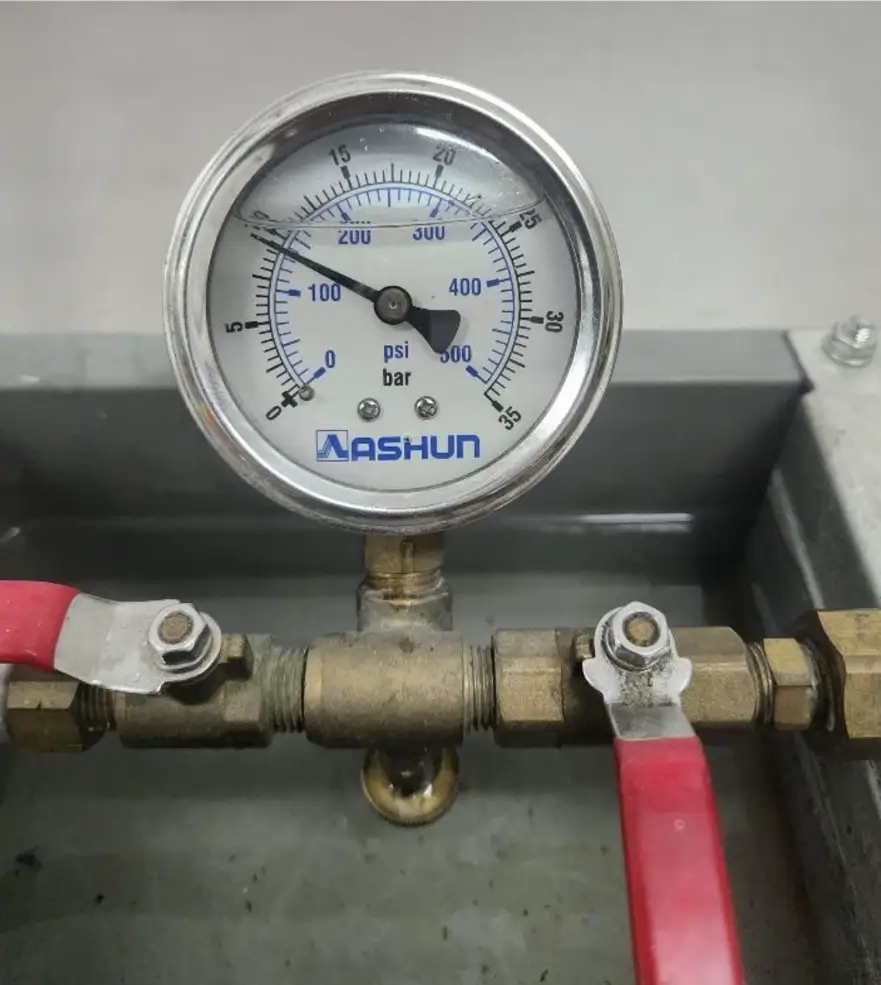
Pump the pipe assembly to 20 bar. Several pumping is required to maintain and stabilise the pressure at 20 bar (this high pressure is for 5 minutes; HDPE pipes and fittings can stand this pressure as the duration is short).
Once the pressure stabilises at 20 bar, maintain the pressure for 5 minutes.
Check all pipe joints for any leakage.
Figure 3: Maintain pressure at 20 bar for 10 minutes
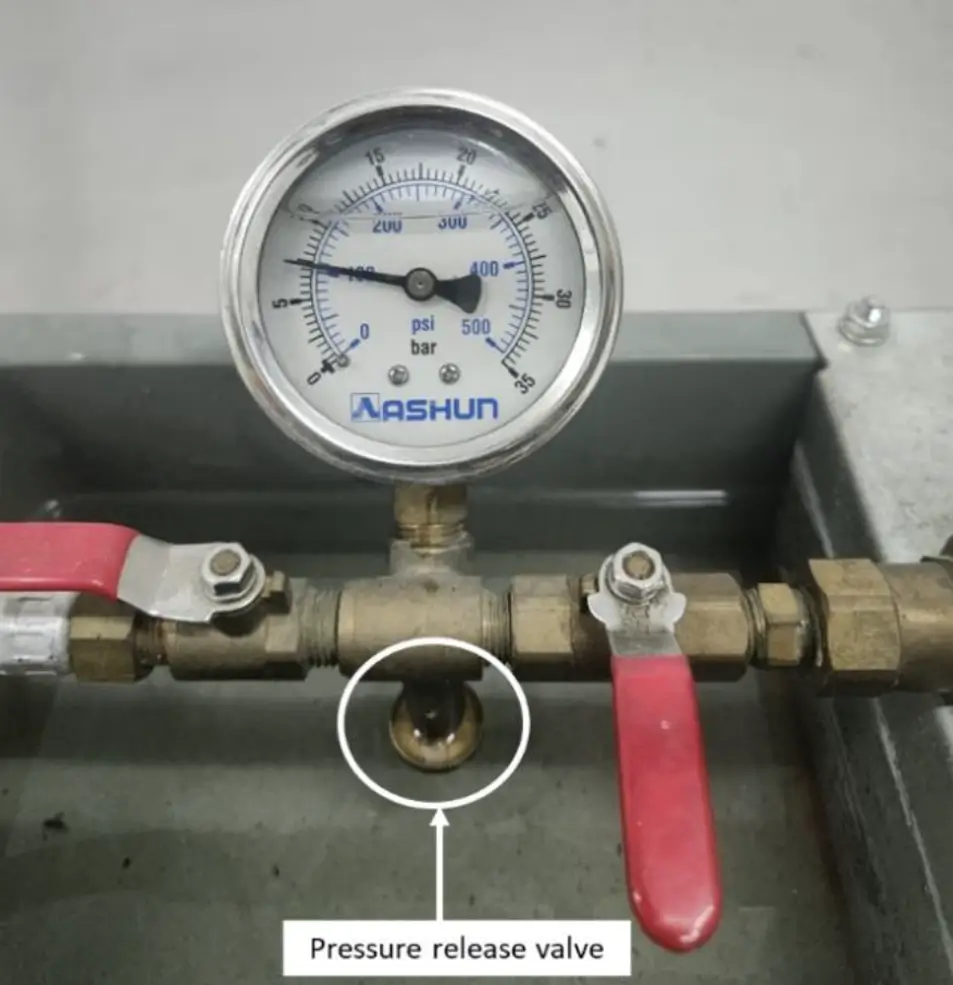
Figure 4: Shut the hand pump pressure release valve once the pressure reaches 7 bar.
Observe for the change in pressure reading.
Results a. PASS IF i. Pressure reading rises/ remains static over 30 minutes. This result shows that there is no leak in the system.
b. FAIL IF i. On closing the pressure release valve at 7 bar, the pressure in the system should increase or be maintained. If the pressure does not increase or remains static, it fails the test. If the needle in the pressure gauge does not increase or remain stationary, there is a leakage in the system.
Figure 5: Pressure reading rises after the hand pump pressure release valve is shut at 7 bar.
Fast and reliable testing of leaks in the installed HDPE plumbing system